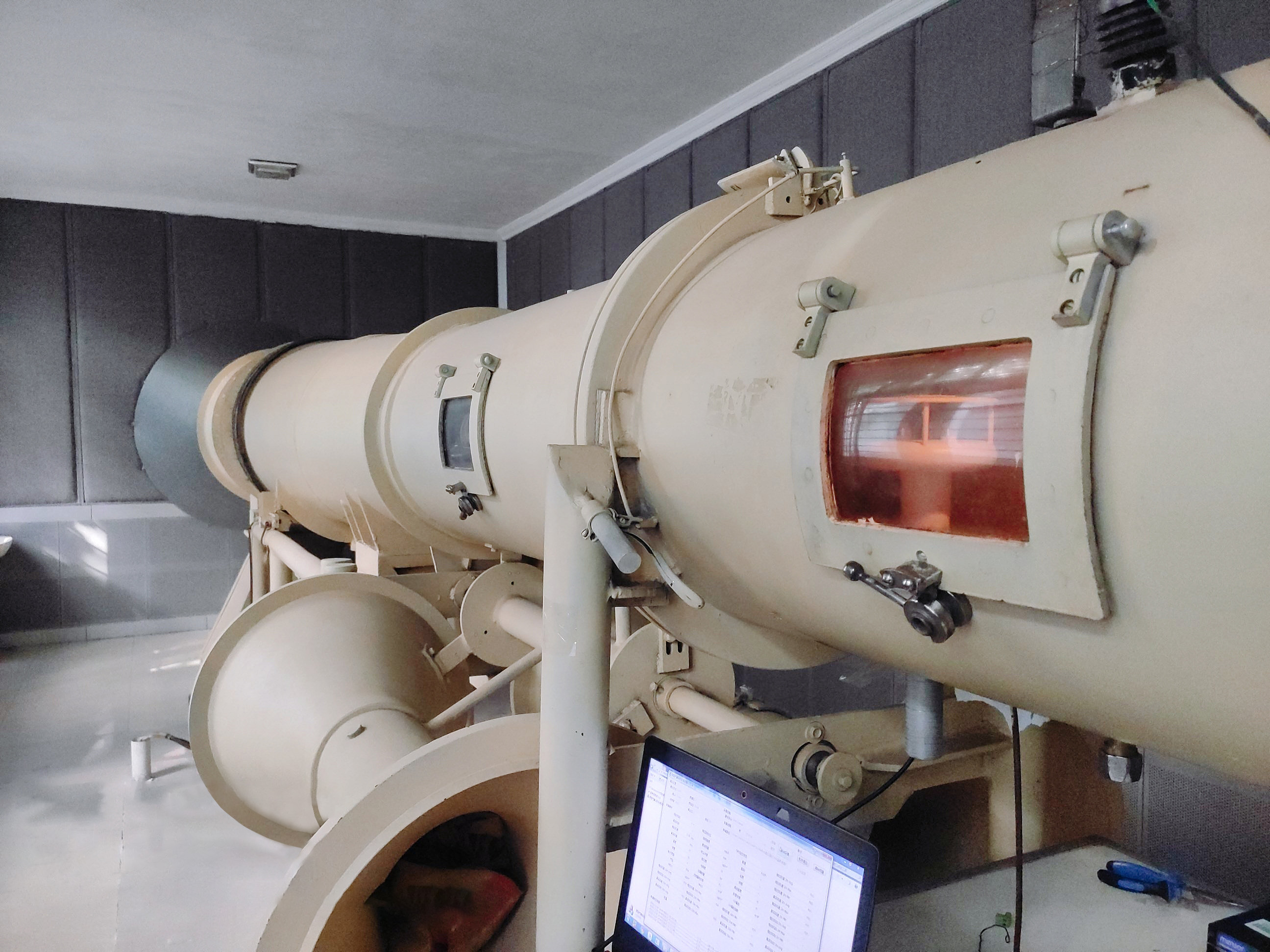
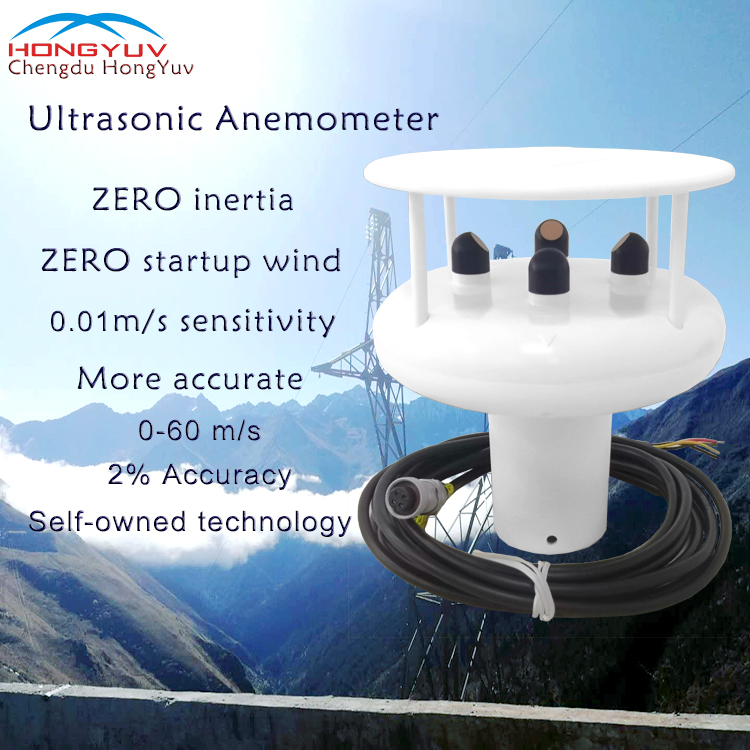
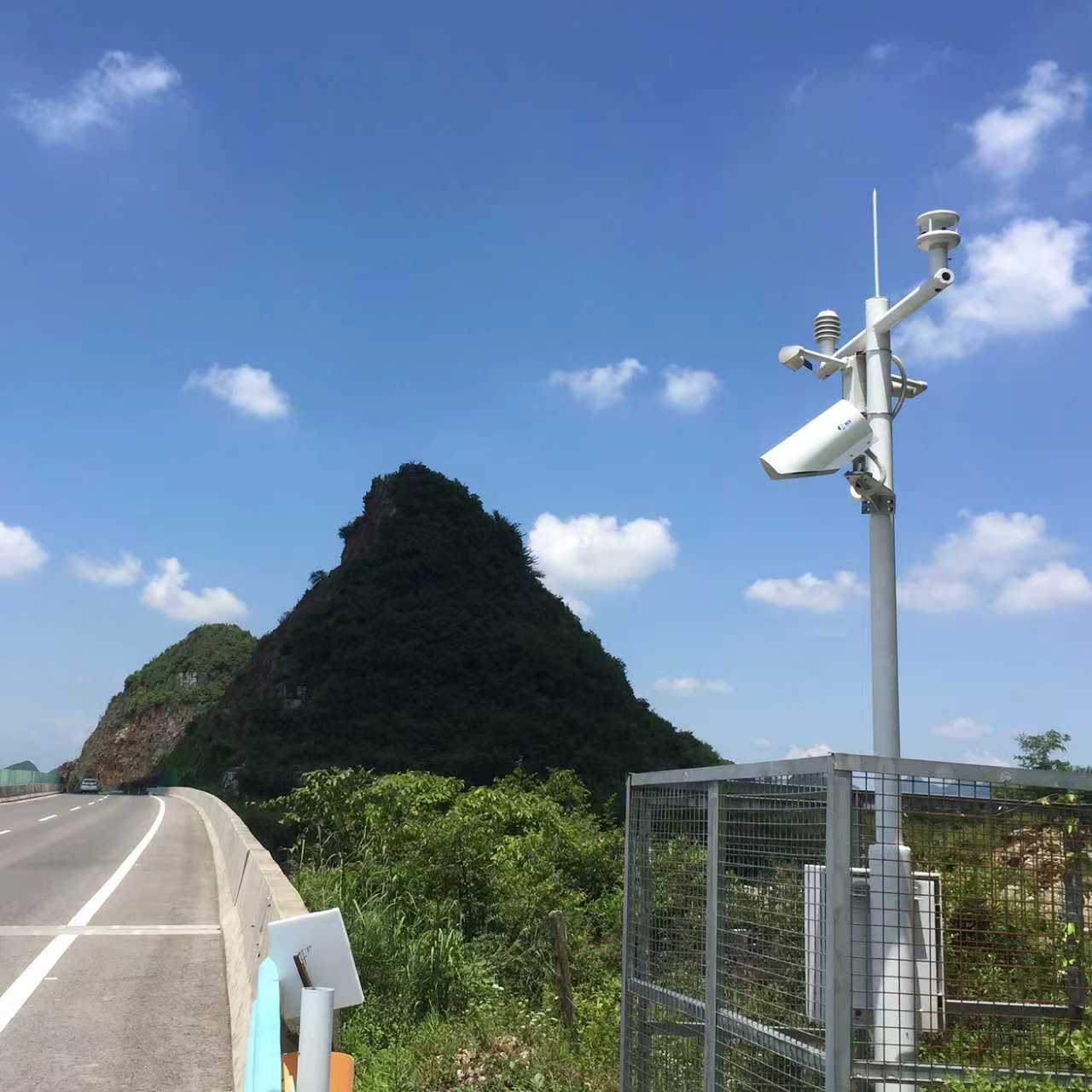
The Importance of Wind Tunnels in the R&D and Production Processes of Ultrasonic Anemometers
I. Core Significance in the R&D Phase
1.1 Principle Verification and Algorithm Calibration
Ultrasonic anemometers calculate wind speed and direction by measuring the time difference of ultrasonic pulses propagating along a fixed path with and against the wind. Their core algorithms are based on ideal aerodynamic and acoustic models.
Wind tunnels provide a known, stable, uniform wind field environment that can be accurately traced to international standards. In this environment, R&D personnel can repeatedly compare the raw measurement data of the anemometer with the "true values" (reference wind speed/direction) of the wind tunnel, thereby verifying the correctness of the measurement principle, calibrating and optimizing the calculation algorithm, and eliminating systematic errors.
1.2 Performance Boundary Testing and Limit Calibration
Wind tunnels can safely and controllably simulate extreme meteorological conditions:
- Wind speed range: From near-zero light winds (e.g., 0.1 m/s) to hurricane-force strong winds (e.g., 60 m/s or higher), testing the instrument's range, startup threshold, and over-range performance.
- Wind direction changes: Precisely simulating 360° full-range wind directions, testing the dynamic response and angular resolution of the wind vane.
- Complex wind conditions: Some advanced wind tunnels can simulate turbulence, gusts, shear winds, etc., testing the stability and anti-interference ability of the anemometer under non-ideal conditions.
Through these tests, the product's performance indicators (such as accuracy, resolution, response time) and applicable boundaries can be clarified.
1.3 Environmental Adaptability Verification
In wind tunnel laboratories, combined with temperature and humidity control chambers, complex environments such as high and low temperatures, rain, snow, and sand and dust can be simulated.
- Testing the impact of temperature changes on sound wave speed and the effectiveness of the instrument's temperature compensation mechanism.
- Verifying the reliability of the probe design (such as self-heating function) under icing or humid conditions.
1.4 Mechanical and Industrial Design Optimization
Wind tunnels can test the disturbance to airflow caused by different probe shapes, sizes, and materials, thereby optimizing the probe design, minimizing interference with the measured flow field, and improving measurement accuracy.
Testing the vibration, fatigue, and durability of the anemometer structure under long-term wind loads.
II. Core Significance in the Production Phase
2.1 Factory Calibration and Quality Control (The Most Critical Role)
This is the core value of wind tunnels on the production line. Every anemometer leaving the factory must undergo individual calibration in a wind tunnel.
Manufacturers set multiple standard wind speed and direction points in the wind tunnel, compare the instrument's readings with the wind tunnel's standard values, generate unique calibration coefficients or correction curves, and write them into the instrument's memory. This ensures that each product meets the declared accuracy standards (e.g., ±0.1 m/s, ±2°).
Without this step, the accuracy of the ultrasonic anemometer is meaningless, and the consistency and reliability of the product cannot be guaranteed.
2.2 Consistency Inspection of Mass-Produced Products
Through regular random inspections or testing of each instrument, wind tunnels ensure a high degree of consistency and interchangeability of performance between products of different batches. This is crucial for networked measurements that require large-scale deployment (such as meteorological observation networks and wind farms).
2.3 Fault Diagnosis and Reproduction
When a faulty anemometer is returned from the field, its working conditions can be reproduced in a wind tunnel to accurately diagnose whether the problem stems from the sensor, circuit, or algorithm, thereby improving the design and production processes.
III. Broader Significance
3.1 The Cornerstone of Establishing Industry Standards and Credibility
Wind tunnels are the bridge connecting national/international wind speed metrological standards with end products. Through value transmission using high-grade standard wind tunnels, the measurement results of ultrasonic anemometers are comparable and credible worldwide.
3.2 Third-Party Certification (e.g., CMA, CNAS) and Industry Access (e.g., Meteorological, Aviation, Environmental Protection Departments) usually require calibration reports based on standard wind tunnels.
An Experimental Platform for Promoting Technological Progress
It provides a basic experimental verification method for the R&D of new sensors (such as 3D probes), new algorithms (such as turbulence processing algorithms), and new applications (such as UAV wind measurement, building wind environment assessment).
IV. Summary
In short, the role of a wind tunnel in relation to an ultrasonic anemometer is analogous to that of a precise weight to a balance or a standard scale to a measuring instrument. It is not only a "touchstone" for exploring performance limits and optimizing designs during the R&D phase but also a "ruler" for ensuring the accuracy, reliability, and traceability of the measurement results of each product during the production phase. Without wind tunnels, the high accuracy and reliability of ultrasonic anemometers would lose their foundation, and their value as precision measuring instruments would cease to exist. Therefore, wind tunnel capability is one of the core indicators to measure the technical strength and product quality of an ultrasonic anemometer manufacturer.