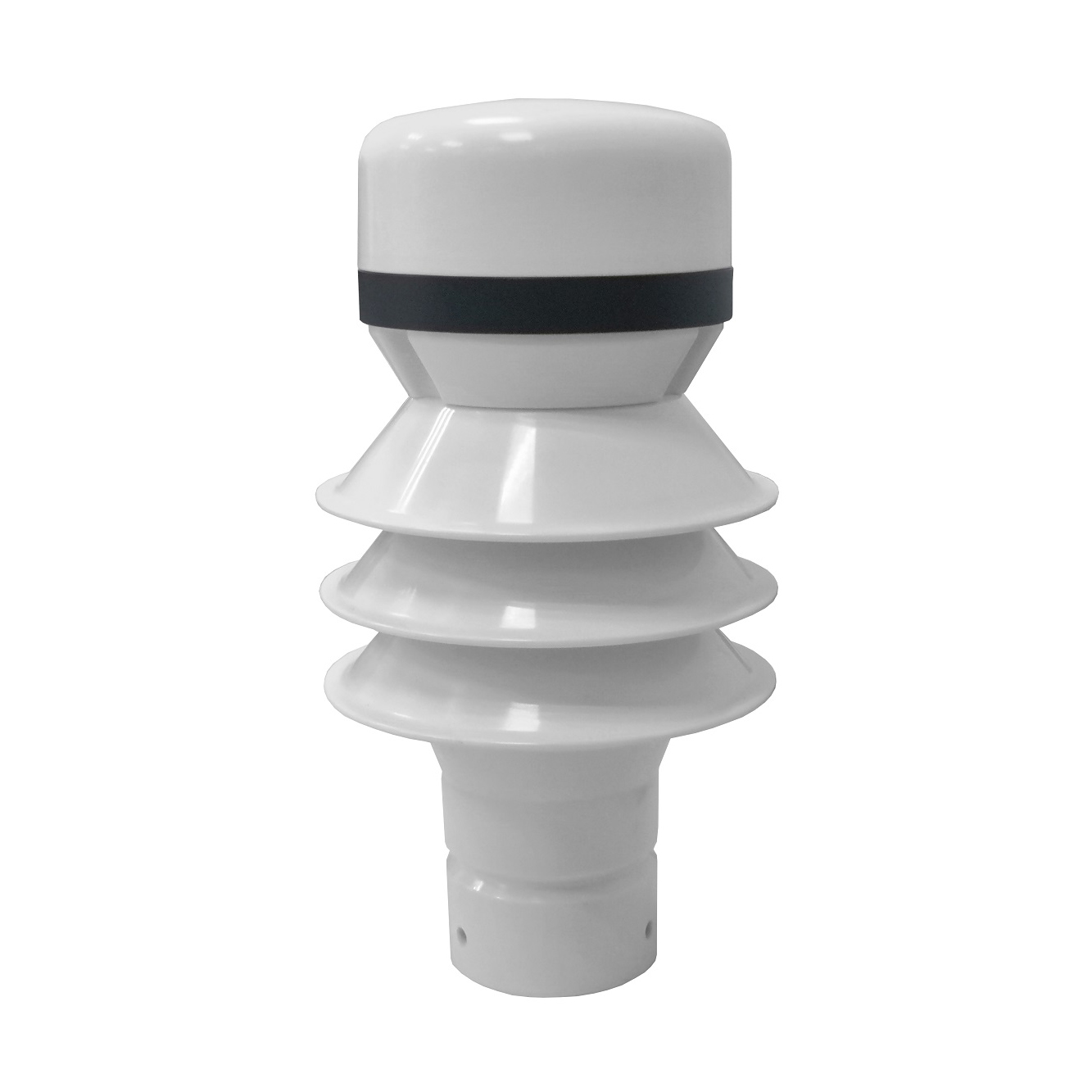
The application of weather stations in agrometeorology serves as core technological support for modern agriculture to shift from “relying on the weather” to “utilizing weather intelligently” and “preparing against adverse weather”.By accurately monitoring field microclimates, they provide data-driven decision-making support for the entire agricultural production chain, thereby achieving the goals of quality improvement, yield increase, efficiency enhancement, and disaster reduction.
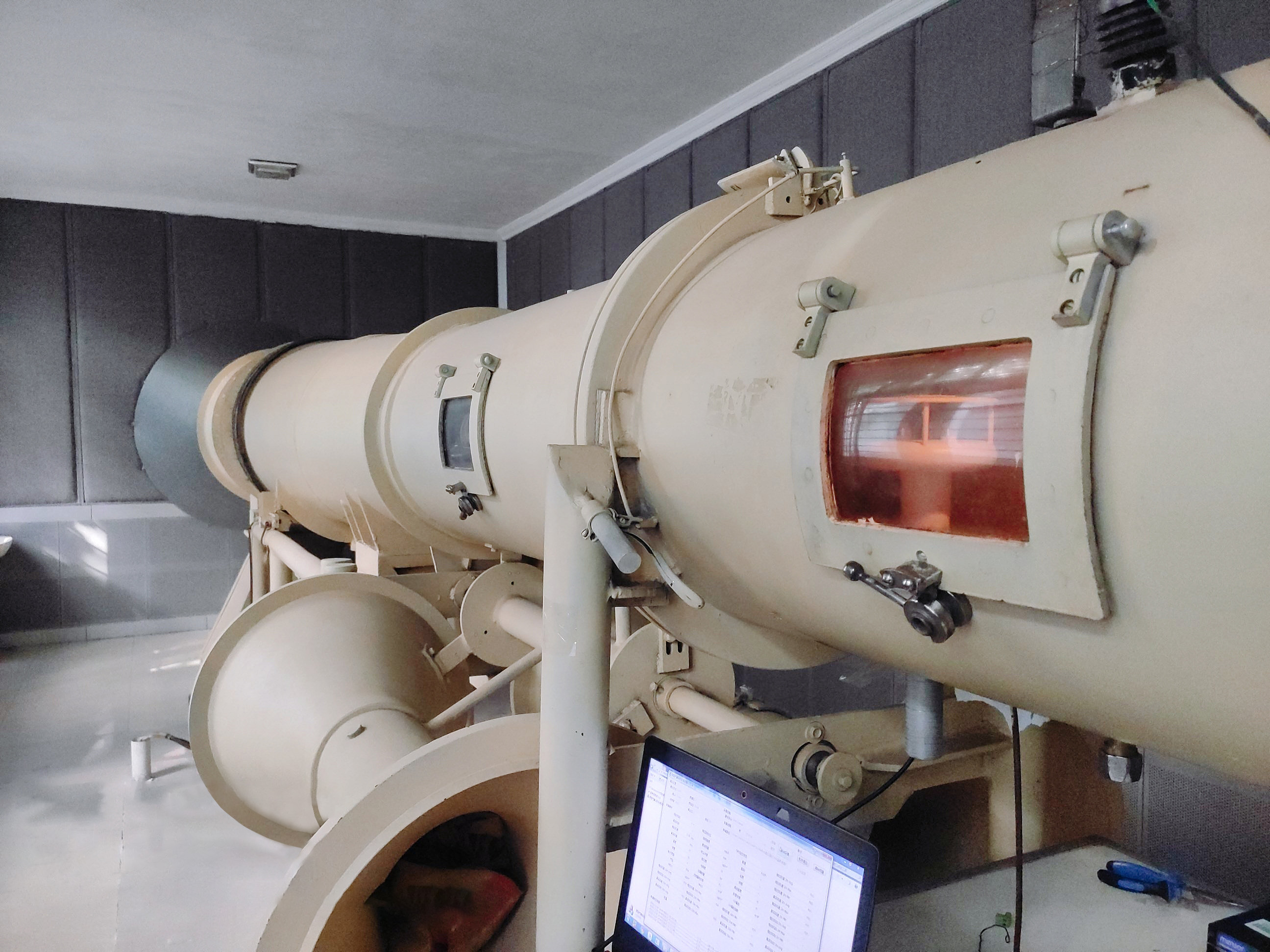
The specific application scenarios of weather stations in agriculture are as follows:
1. Production Planning and Planting Decisions
This is the most fundamental and strategic application of meteorological data in agriculture.
Climate zoning and variety selectionBased on long-term historical meteorological data (accumulated temperature, precipitation, sunlight, frost-free period), suitable planting regions for crops are delineated, providing a scientific basis for farmers or agricultural enterprises to select crop varieties best adapted to local climates.
Sowing time forecastingAccording to real-time soil temperature and moisture, air temperature, and future weather trends, the optimal sowing window is determined. This avoids seed rot caused by late spring coldness or missed growing periods due to delayed sowing.
2. Precise Farming Operations and Field Management
Weather stations act as the “smart brain” of field management, guiding refined agricultural operations.
Intelligent Irrigation
Based on soil moisture and evapotranspiration:By monitoring soil moisture and temperature, combined with air temperature, humidity, wind speed, and sunlight to calculate crop evapotranspiration (ET), the water demand of crops is accurately determined.This enables on-demand and variable-rate irrigation, saving more than 30% of water resources.
Scientific Fertilization and Plant Protection
Fertilization guidanceTemperature and sunlight affect nutrient absorption and conversion. Meteorological data helps determine the optimal timing and dosage of fertilization, improving fertilizer use efficiency.
Pest and disease early warning and controlThe occurrence of many pests and diseases is closely related to temperature and humidity (e.g., rice blast tends to break out under high temperature and humidity).Weather stations can establish meteorological models for pest and disease occurrence, provide early warnings, and guide farmers to apply preventive pesticides during optimal windows, reducing pesticide abuse.
Environmental Control in Protected Agriculture (Greenhouses)
Indoor-outdoor linked control
Outdoor weather stations monitor sunlight, wind, and rain, while indoor sensors track temperature, humidity, and CO₂ concentration.
The system automatically coordinates equipment such as roll-up screens, sunshades, fans, wet curtains, and supplemental lights to create an optimal growth environment for crops, enabling year-round high-efficiency production.
3. Agrometeorological Disaster Monitoring, Early Warning and Prevention
This is the key value of weather stations in “securing harvests”, realizing a shift from “post-disaster remediation” to “pre-disaster prevention”.
Frost and freeze injury warningDuring spring flowering of fruit trees and before harvest of late-maturing crops in autumn, air and soil temperatures are monitored. Alarms are triggered when temperatures approach freezing, guiding farmers to adopt frost prevention measures such as smoking, sprinkler irrigation, and heating.
Drought monitoringDrought warnings are issued during prolonged periods without effective precipitation, combined with soil moisture data, supporting the launch of drought-resistant emergency responses.
Rainstorm and flood warningReal-time monitoring of rainfall intensity and total volume provides early warning of waterlogging risks and guides the advance dredging of field ditches.
Dry hot wind warningDuring the wheat grain-filling stage, weather conditions of high temperature, low humidity, and moderate wind are monitored. Timely warnings guide disaster reduction measures such as irrigation and foliar fertilization.
Strong wind and hail warningTimely alerts guide the reinforcement of agricultural facilities and, where possible, the launch of artificial hail suppression operations.
4. Crop Growth Monitoring and Yield Forecasting
Growth status assessmentCombining meteorological data (sunlight, temperature) with satellite remote sensing and drone imagery to evaluate crop growth and diagnose heat injury, chilling injury, water shortage, or nutrient deficiency.
Yield and quality forecastingMeteorological conditions during critical growth stages directly affect final yield and quality (e.g., temperature difference during rice grain-filling affects taste).By establishing meteorological-yield models, yield and quality can be predicted 1–2 months before harvest, providing information for planning grain trade, storage, and processing.
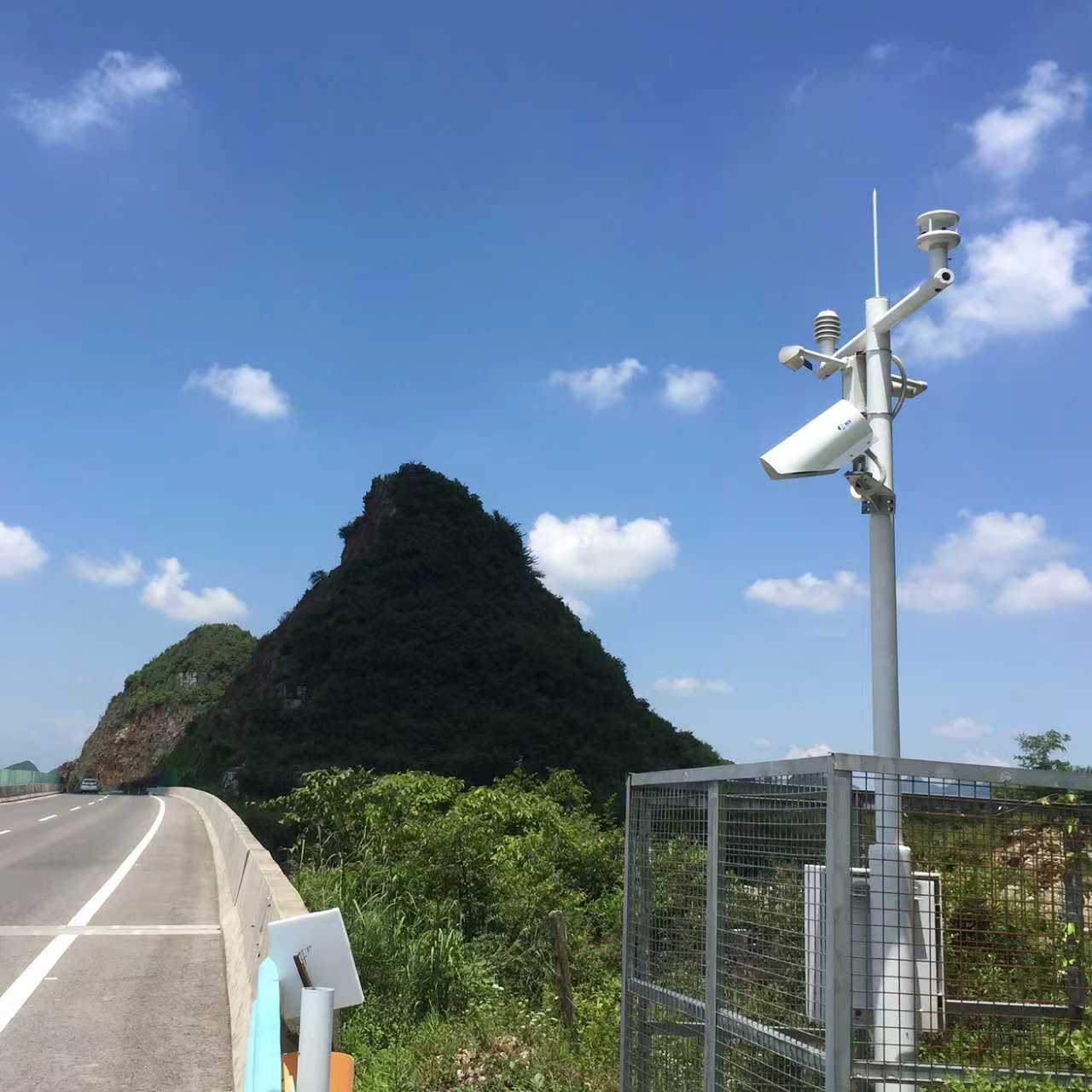
5. Applications in Special Agriculture, Forestry and Animal Husbandry
Special cash cropsTea (frost monitoring during spring sprouting), Chinese wolfberry (precipitation monitoring during harvest), wine grapes (temperature difference and humidity monitoring during ripening), etc. These crops are highly sensitive to meteorological conditions and require customized weather monitoring services.
ForestryMonitoring forest fire risk levels (temperature, humidity, wind speed, precipitation), guiding afforestation (soil moisture), and early warning of forest pests and diseases.
Animal husbandryEarly warning of snowstorms, white disasters (excessive snow cover), and black disasters (winter water shortage due to lack of snow), guiding pasture rotation and forage reserves; monitoring high temperature and humidity to prevent heat stress in livestock.
6. Agricultural Insurance and Financial Services
Index insurance loss adjustmentObjective and tamper-proof weather station data (e.g., drought index, rainfall, temperature) is used as the basis for claim settlement, solving the difficulties of traditional agricultural insurance in loss assessment and high moral hazard, and simplifying claims procedures.
Credit and futures supportMeteorological data provide quantitative tools for financial institutions to assess agricultural production risks and for agricultural futures to provide price forecasting references.
Summary and Outlook
Modern agricultural weather stations are no longer simple instrument shelters, but “intelligent farm sensing terminals” integrated with various sensors for soil, crops, and microclimates.Their data is transmitted to cloud platforms via the Internet of Things (IoT), combined with agronomic models and AI algorithms, and finally delivered to farmers through intuitive mobile APP alerts, irrigation/pesticide application prescription maps, and automatic greenhouse control commands.
The core value chain forms a closed loop:Monitoring (real-time data) → Early warning (disaster risks) → Decision-making (actions to take) → Control (automatic execution) → Evaluation (effectiveness).
In the future, with the development of IoT, artificial intelligence, and digital twin technologies, weather stations will become the cornerstone for building “digital farms” and “smart agricultural brains”, driving agricultural production into a new era of full perception, intelligent decision-making, and precise operation.This will greatly enhance agriculture’s ability to adapt to climate change and safeguard food security.